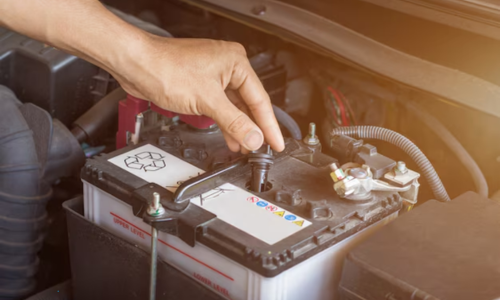
A car battery is one of the most critical components of your vehicle, yet it is often overlooked until something goes wrong. Knowing when to replace your car battery can save you from sudden breakdowns, costly towing, and unnecessary stress. While batteries do not last forever, they usually give clear warning signs before failing completely.
This guide explains how long car batteries last, the key symptoms of battery failure, factors that affect battery life, and how to decide the right time for replacement.
What Does a Car Battery Do?
A car battery supplies electrical power to start the engine and supports essential vehicle electronics when the engine is off. It also stabilizes voltage for systems such as:
- Headlights and interior lights
- Infotainment systems
- Power windows and locks
- Engine control modules
When the battery weakens, multiple systems can begin to malfunction.
How Long Does a Car Battery Last?
On average, a car battery lasts 3 to 5 years. However, lifespan depends on several factors:
- Driving habits
- Climate conditions
- Vehicle type
- Battery quality
In regions with extreme heat or cold, batteries often fail sooner. Frequent short trips can also reduce battery life because the battery doesn’t get enough time to recharge fully.
Key Signs It’s Time to Replace Your Car Battery
1. Slow Engine Cranking
One of the earliest and most common signs of a weak battery is slow engine cranking. If your engine takes longer than usual to start or sounds sluggish, your battery may be losing its charge.
2. Dim Headlights and Electrical Issues
A failing battery may not supply enough power to electrical components. You might notice:
- Dim or flickering headlights
- Weak interior lighting
- Power windows operating slowly
These symptoms often indicate declining battery performance.
3. Battery Warning Light on the Dashboard
If the battery warning light appears on your dashboard, it may indicate an issue with the battery or the charging system. While it can also point to alternator problems, it should never be ignored.
4. Frequent Jump-Starts
Needing repeated jump-starts is a clear sign that your battery can no longer hold a charge effectively. Jump-starting may provide temporary relief, but replacement is usually necessary.
5. Swollen or Leaking Battery Case
Physical damage to the battery is a serious warning sign. Heat exposure can cause the battery case to swell, while leaks or corrosion may indicate internal failure. In such cases, immediate replacement is recommended.
6. Battery Age Over Three Years
Even if no obvious symptoms are present, batteries older than three years should be tested regularly. Preventive replacement is often safer than waiting for sudden failure.
How Climate Affects Car Battery Life
Hot Weather
High temperatures accelerate chemical reactions inside the battery, causing fluid evaporation and internal damage. This often leads to shorter battery life in hot climates.
Cold Weather
Cold temperatures reduce battery capacity, making it harder to start the engine. A weak battery may fail completely during winter.
Both extremes increase the risk of battery failure.
Driving Habits That Shorten Battery Life
Certain driving patterns can reduce battery lifespan:
- Frequent short trips
- Long periods of inactivity
- Leaving lights or electronics on
- Excessive accessory usage
Regular driving and proper charging help maintain battery health.
How to Test Your Car Battery
1. Voltage Testing
Using a multimeter, a healthy battery should read around 12.6 volts when the engine is off.
2. Professional Battery Testing
Many service centers offer load testing, which evaluates battery performance under real conditions.
Testing helps determine whether replacement is necessary.
Should You Replace Your Battery Before It Fails?
Yes. Proactively replacing a weak battery reduces the risk of:
- Unexpected breakdowns
- Alternator strain
- Electrical system damage
- Inconvenience during travel
Preventive replacement is especially important before long trips or extreme weather seasons.
Choosing the Right Replacement Battery
When replacing your car battery, consider:
- Correct battery size and specifications
- Cold cranking amps (CCA) rating
- Warranty period
- Reputable brands
Always follow the manufacturer’s recommendations for compatibility.
Proper Car Battery Maintenance Tips
To extend battery life:
- Keep terminals clean and corrosion-free
- Ensure the battery is securely mounted
- Avoid leaving electronics on when the engine is off
- Drive regularly to maintain charge
Routine maintenance can delay the need for replacement.
What Happens If You Delay Battery Replacement?
Delaying replacement can lead to:
- Sudden vehicle failure
- Increased wear on the alternator
- Loss of electronic settings
- Safety risks during travel
Timely replacement helps avoid unnecessary complications.
When to Seek Professional Help
If you experience repeated starting problems, warning lights, or electrical issues, consult a professional technician. They can identify whether the issue is the battery, alternator, or another electrical component.
Final Thoughts
Knowing when to replace your car battery is essential for maintaining vehicle reliability and safety. By paying attention to warning signs, monitoring battery age, and testing regularly, you can avoid unexpected failures and costly repairs.
A well-maintained battery ensures smooth starts, stable electronics, and peace of mind on the road. When in doubt, proactive replacement is always the smarter choice.
FAQs
Q1: How long does a car battery usually last?
Most car batteries last between 3 to 5 years, depending on driving habits, weather conditions, and vehicle usage. Extreme heat or frequent short trips can shorten battery life.
Q2: What are the common signs of a failing car battery?
Common signs include slow engine cranking, dim headlights, electrical issues, warning lights on the dashboard, and frequent jump-starts. These symptoms often indicate reduced battery performance.
Q3: When should I replace my car battery?
You should consider replacing your car battery if it is over three years old and shows warning signs such as difficulty starting, weak electrical power, or repeated battery drain.
Q4: Can a bad battery affect car electronics?
Yes. A weak or failing battery can cause malfunctions in electronic systems, including infotainment units, power windows, sensors, and dashboard displays.
Q5: Does extreme weather affect car battery life?
Yes. High temperatures can cause battery fluid evaporation, while cold weather reduces battery power. Both conditions can significantly impact battery performance and lifespan.
Q6: What does the battery warning light mean?
The battery warning light usually indicates a charging system issue, which could be related to the battery, alternator, or wiring. It should be checked promptly to avoid breakdowns.
Q7: Can I test my car battery at home?
Yes. You can use a multimeter or a battery tester to check voltage. A healthy battery typically shows around 12.6 volts when the engine is off.
Q8: Should I replace my car battery before it fails completely?
Yes. Replacing the battery early helps prevent unexpected breakdowns, starting issues, and damage to vehicle electronics.
Q9: How often should I have my car battery checked?
It is recommended to have your battery checked at least once a year, especially after the battery reaches three years of age.
Q10: What happens if I delay replacing a weak car battery?
Delaying replacement can lead to sudden vehicle failure, repeated jump-starts, alternator strain, and inconvenience, especially during long trips or extreme weather.