Every car relies on a healthy battery to start the engine, power electronics, and keep the entire electrical system running smoothly. If your vehicle is showing slow starts, dim headlights, or dashboard battery warnings, it may be time for a replacement. Understanding how car battery replacement works helps you avoid breakdowns, choose the right battery, and ensure your vehicle stays reliable on the road. This guide explains the complete replacement process in simple, clear steps.
Why Car Battery Replacement Is Important
A car battery doesn’t just start your engine — it supports the alternator, stabilizes voltage, and powers essential features like headlights, AC, infotainment, sensors, and safety systems. Over time, batteries weaken due to heat, age, and repeated charge cycles. Knowing the replacement process helps you maintain your vehicle properly and avoid sudden failures.
Step-by-Step Car Battery Replacement Process
Step 1: Identifying Battery Failure
The process begins with checking for signs of a weak or dying battery. Common symptoms include:
- Slow engine cranking
- Clicking sound when starting
- Dim headlights or flickering electronics
- Dashboard battery light on
- Swollen or leaking battery
- Battery older than 3–4 years
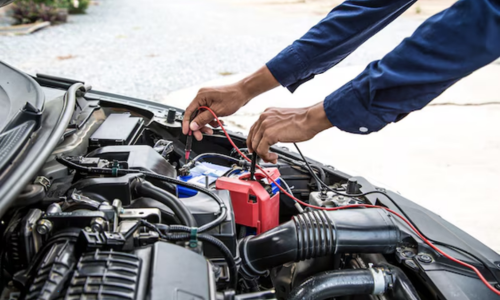
A voltmeter or battery tester is usually used to confirm the health of the battery.
Step 2: Preparing the Vehicle for Replacement
Before replacing the battery, the technician ensures the car is safely positioned. This includes:
- Parking on a flat, safe surface
- Turning off the engine
- Engaging the parking brake
- Wearing protective gloves and eyewear
- Opening the hood and locating the battery
Safety is crucial because car batteries contain acid and produce electrical current.
Step 3: Disconnecting the Old Battery
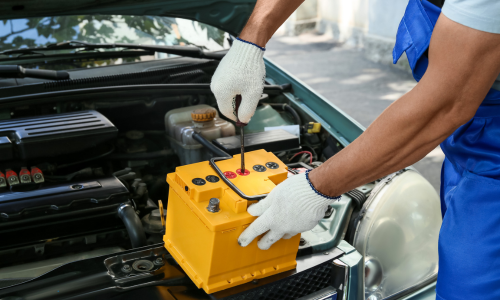
The next step is safely disconnecting the battery terminals. The technician:
- Removes the negative terminal first to prevent short circuits
- Removes the positive terminal next
- Loosens the battery clamp or holding bracket
- Takes out the old battery carefully due to its weight
Disconnecting in the correct order prevents sparks and electrical damage.
Step 4: Cleaning the Battery Tray and Terminals
Before installing a new battery, the tray and terminal connectors are cleaned to ensure strong contact points. This includes:
- Removing corrosion using a wire brush
- Applying anti-corrosion spray
- Cleaning dirt or rust from the tray
- Checking for damaged cables
Clean terminals help the new battery perform better and last longer.
Step 5: Installing the New Battery
The new battery is placed securely into the tray, ensuring the terminals are positioned properly. Steps include:
- Aligning the battery correctly
- Securing it with the holding clamp
- Connecting the positive terminal first
- Connecting the negative terminal next
The reverse order is used during installation to prevent accidental grounding.
Step 6: Testing the New Battery
After installation, a complete system test is performed to ensure everything is working properly. This includes:
- Starting the engine
- Checking the dashboard lights
- Testing headlights and electronics
- Measuring voltage output
- Confirming alternator charging performance
If everything runs smoothly, the car is ready to go with its new battery.
How Often Should You Replace a Car Battery?
Most car batteries last 3 to 5 years, depending on climate, driving habits, and battery quality. Very hot climates shorten battery life faster. Regular testing every 6–12 months helps you catch issues early.
Signs You Need Immediate Replacement
You should replace the battery immediately if you notice:
- Severe corrosion on terminals
- Swelling or bloated battery case
- Strong rotten-egg smell (sulfur leak)
- Engine struggles to start every time
- Electrical components shutting off randomly
Any of these signs indicate a failing battery that could leave you stranded.
Tips to Make Your Car Battery Last Longer
- Avoid frequent short trips
- Keep terminals clean
- Drive regularly to maintain charge
- Get the battery tested during routine service
- Don’t leave lights or electronics on when the engine is off
Proper care helps extend battery life and avoid unexpected breakdowns.
Frequently Asked Questions
1. How long does it take to replace a car battery?
Most replacements take 10–20 minutes.
2. Can I replace the battery myself?
Yes, if you follow safety steps. But professional replacement ensures proper testing and installation.
3. How much does a new car battery cost?
Prices vary depending on battery type, capacity, and brand.
4. Will replacing the battery reset car settings?
In some cars, radio presets, clock, and trip data may reset.
5. Should I disconnect the negative terminal first?
Yes, removing the negative terminal first prevents electrical shorts.