A dead or failing battery can leave you stranded at the worst possible moment. That’s why understanding car battery installation is essential for every vehicle owner. Whether your car struggles to start, your dashboard lights dim, or your electronics behave oddly, these are all signs that your battery may need replacement. Knowing how battery installation works, what it costs, and when to do it can save you time, money, and unnecessary stress.
In this detailed guide, we’ll explain everything you need to know about car battery installation—from early warning signs and safety tips to professional vs DIY options and frequently asked questions.
Understanding the Role of a Car Battery
Your car battery is more than just a power source. It plays a vital role in starting your vehicle and supporting its electrical systems.
What Does a Car Battery Do?
- Powers the starter motor
- Supplies electricity to lights, infotainment, and dashboard
- Supports ignition systems
- Stabilizes voltage for electronic components
- Powers systems when the engine is off
Without a properly functioning battery, even the most advanced car won’t move an inch.
Signs You Need a New Car Battery
Many drivers ignore early warning signs until the car refuses to start. Recognizing these symptoms early can prevent breakdowns.
Common Warning Signs
- Slow engine crank
- Clicking sound when turning the key
- Dim headlights
- Electrical issues
- Dashboard battery warning light
- Swollen battery case
- Corrosion on terminals
- Bad smell (sulfur or rotten eggs)
If you notice more than one of these, it’s time to consider battery replacement.
What Is Car Battery Installation?
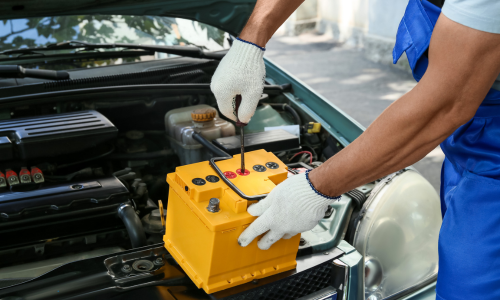
Car battery installation involves removing your old battery and replacing it with a new one that matches your vehicle’s specifications. This process may seem simple, but improper installation can cause serious issues, including electrical failures and damage to your car’s computer system.
What Happens During Installation?
- Old battery is safely disconnected
- Terminals and cables are cleaned
- New battery is placed and secured
- Proper polarity is ensured
- System reset (for modern vehicles)
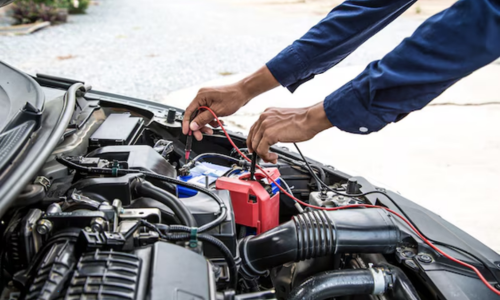
- Voltage check performed
How Long Does a Car Battery Last?
On average, a car battery lasts between 2 to 4 years. However, this can vary based on:
- Climate conditions
- Driving habits
- Battery quality
- Vehicle type
- Electrical load
Hot climates tend to shorten battery life, while frequent short trips prevent full charging.
Car Battery Installation: DIY vs Professional Service
Many people wonder whether they should install the battery themselves or seek professional help. Let’s compare both options.
DIY Installation
Pros:
- Lower cost
- Quick for experienced users
- No labor charges
Cons:
- Risk of incorrect fitting
- Possible electrical damage
- No warranty support
- Safety risks
Professional Installation
Pros:
- Correct battery matching
- Safe handling
- System resets included
- Warranty protection
- Proper disposal of old battery
Cons:
- Slightly higher cost
For modern vehicles with advanced electronics, professional installation is highly recommended.
Step-by-Step Car Battery Installation Process
Here’s what typically happens during a proper installation:
1. Vehicle Inspection
The technician checks the battery type, voltage, and compatibility.
2. Safety Preparation
- Engine off
- Gloves and safety gear
- Tools insulated
3. Old Battery Removal
- Negative terminal disconnected first
- Positive terminal removed
- Battery carefully lifted out
4. Cleaning Terminals
Corrosion and residue are cleaned to ensure strong connections.
5. New Battery Installation
- Battery placed securely
- Positive terminal connected first
- Negative terminal attached
6. Testing
Voltage is checked, and the engine is started.
7. System Reset
Modern cars require ECU and clock resets.
How Much Does Car Battery Installation Cost?
The cost depends on your location, battery brand, and vehicle type.
Average Cost Breakdown
- Battery price: Depends on capacity and brand
- Installation fee: Often free or minimal
- Disposal fee: Sometimes included
- System reset: Included in professional service
Premium vehicles may have higher installation charges due to complex systems.
Types of Car Batteries
Choosing the right battery is just as important as proper installation.
1. Lead-Acid Batteries
Affordable and common, but require maintenance.
2. AGM Batteries
More durable, suitable for start-stop systems.
3. Gel Batteries
Long-lasting and spill-proof.
4. Lithium-Ion Batteries
Used in electric vehicles.
Your owner’s manual will specify the correct type.
Why Proper Installation Matters
Improper battery installation can cause:
- Electrical system damage
- Short circuits
- Sensor malfunctions
- Dashboard warning errors
- Reduced battery life
- Fire hazards
Professional installation ensures safety, accuracy, and long-term performance.
Mobile Car Battery Installation: A Growing Trend
Many services now offer mobile battery installation, where technicians come to your location.
Benefits of Mobile Installation
- No towing required
- Time-saving
- Ideal for emergencies
- On-the-spot testing
- Convenient
This option is especially useful if your car won’t start at all.
Safety Tips During Battery Replacement
Whether DIY or professional, safety is crucial.
Essential Safety Measures
- Wear gloves and goggles
- Avoid metal contact with terminals
- Disconnect negative terminal first
- Do not tilt the battery
- Keep flames away
- Dispose of old batteries properly
How to Extend Your New Battery’s Life
After installation, proper care can maximize lifespan.
Maintenance Tips
- Avoid short trips
- Turn off electronics when engine is off
- Keep terminals clean
- Drive regularly
- Check voltage periodically
- Avoid extreme heat exposure
Environmental Impact of Old Batteries
Car batteries contain harmful chemicals and heavy metals. Improper disposal can harm the environment.
Proper Disposal Methods
- Return to retailer
- Authorized recycling centers
- Service provider pickup
Never throw a car battery in regular trash.
Frequently Asked Questions (FAQs)
1. How long does car battery installation take?
Usually between 15 and 30 minutes.
2. Can I install a car battery myself?
Yes, but professional installation is safer for modern vehicles.
3. Do I need to reset my car after battery replacement?
Many cars require system resets.
4. Will my car settings be lost?
Some settings like radio presets and clock may reset.
5. Is mobile car battery installation reliable?
Yes, if done by certified technicians.
6. How do I know which battery fits my car?
Check your owner’s manual or consult a professional.
7. Does a new battery improve car performance?
It improves starting reliability and electrical stability.
8. What happens if I install the wrong battery?
It can damage the car’s electrical system.
Final Thoughts
Understanding car battery installation helps you make informed decisions, avoid breakdowns, and protect your vehicle’s electrical system. From recognizing early warning signs to choosing professional help, every step matters.
If you want safety, reliability, and long-term performance, don’t rush the process. Choose the right battery, install it correctly, and maintain it well.