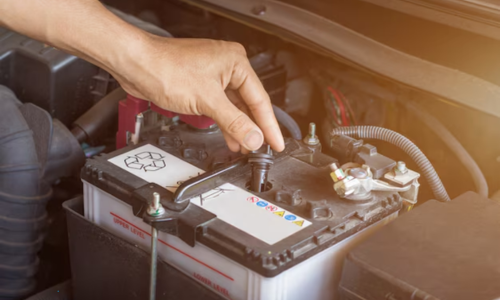
Car battery replacement is one of the most common yet most misunderstood vehicle maintenance needs. Many drivers only think about their battery when the car suddenly refuses to start—often at the worst possible time. In reality, your car battery gives warning signs long before complete failure, and understanding those signs can save you from breakdowns, towing charges, and unexpected delays.
This complete guide explains when car battery replacement is necessary, how much it costs, how installation works, and why professional services often make a difference. Whether you’re a first-time car owner or an experienced driver, this article will help you make informed, timely decisions.
What Does a Car Battery Do?
A car battery does more than just start your engine. It:
- Supplies power to the starter motor
- Supports electronic systems (lights, infotainment, sensors)
- Stabilizes voltage for smooth vehicle operation
- Works with the alternator to power your car while driving
When the battery weakens, multiple vehicle systems are affected—not just ignition.
When Should You Replace Your Car Battery?
Most car batteries last 3 to 5 years, depending on:
- Driving habits
- Climate conditions
- Vehicle electronics
- Battery quality
Replacement is needed when the battery can no longer hold adequate charge or deliver consistent power. Waiting too long increases the risk of sudden failure.
Signs Your Car Battery Needs Replacement
1. Slow Engine Crank
If your engine takes longer to start, the battery may be struggling to deliver enough power.
2. Clicking Sound When Starting
A rapid clicking noise often indicates insufficient battery charge.
3. Dim Headlights or Flickering Electronics
Low battery voltage affects lights, dashboard displays, and infotainment systems.
4. Battery Warning Light
This doesn’t always mean battery failure—but it signals a charging system issue that could lead to replacement.
5. Frequent Jump Starts
Needing jump-starts regularly is a strong sign the battery is nearing the end of its life.
6. Swollen or Corroded Battery Case
Heat damage or corrosion reduces performance and safety.
Why Delaying Car Battery Replacement Is Risky
Ignoring battery warning signs can lead to:
- Unexpected breakdowns
- ECU and sensor malfunctions
- Starter motor strain
- Alternator overload
- Loss of safety features
Timely replacement protects both your vehicle and your peace of mind.
How Car Battery Replacement Works (Step-by-Step)
Professional car battery replacement typically follows these steps:
- Battery health check and voltage test
- Selection of correct battery (capacity & compatibility)
- Safe removal of old battery
- Terminal cleaning and inspection
- Installation of new battery
- Secure mounting and proper connection
- System reset (if required)
- Final performance testing
Modern vehicles may require electronic reset or reprogramming, which is best handled by professionals.
Professional Installation vs DIY Replacement
DIY Replacement
✔ Lower upfront cost
✖ Risk of incorrect installation
✖ No electronic system reset
✖ Potential warranty issues
Professional Installation
✔ Correct battery selection
✔ Safe handling and disposal
✔ Electrical system protection
✔ Warranty-backed service
For vehicles with advanced electronics, professional installation is strongly recommended.
How Long Does Car Battery Installation Take?
- Standard vehicles: 20–30 minutes
- Luxury or smart vehicles: 30–60 minutes
- Mobile/on-site service: Often completed within 30 minutes
The process is quick when done by trained technicians.
Car Battery Replacement Cost: What Affects Pricing?
The cost of car battery replacement depends on several factors:
- Battery type (standard, AGM, EFB)
- Battery capacity (Ah rating)
- Vehicle make and model
- Brand and warranty period
- Installation service charges
- Location or mobile service availability
Higher-end vehicles and batteries cost more but offer longer lifespan and better performance.
Choosing the Right Car Battery Before Installation
1. Battery Capacity
Must match your vehicle’s power requirements.
2. Battery Type
- Lead-acid
- AGM (Absorbent Glass Mat)
- Enhanced Flooded Battery (EFB)
3. Brand Reputation
Reliable brands offer consistent performance and better warranty support.
4. Warranty Coverage
Look for replacement warranty, not just pro-rata coverage.
On-Site Car Battery Replacement Services
Mobile battery replacement services are increasingly popular because they:
- Save time
- Eliminate towing
- Provide quick roadside support
- Offer emergency assistance at home or office
These services are ideal for busy drivers or emergency situations.
Common Car Battery Installation Mistakes
- Installing the wrong battery size
- Reversing terminal connections
- Failing to secure the battery properly
- Skipping system reset procedures
- Ignoring corrosion on terminals
Even small mistakes can damage sensitive vehicle electronics.
Why Professional Car Battery Replacement Improves Safety
Professional services ensure:
- Stable electrical performance
- Proper charging system balance
- Reduced risk of breakdowns
- Extended battery life
- Protection of onboard computers
This leads to smoother driving and fewer unexpected issues.
Car Battery Replacement: A Beginner’s Checklist
Before replacing your battery, confirm:
- Battery age and condition
- Warning signs present
- Correct battery specifications
- Warranty coverage
- Installation method (DIY vs professional)
Planning ahead avoids last-minute stress.
FAQs: Car Battery Replacement
How long does a car battery last?
Most batteries last 3–5 years, depending on usage and climate.
Can I drive with a weak battery?
Yes, but it’s risky. A weak battery can fail suddenly and damage other components.
Is mobile car battery replacement reliable?
Yes, when provided by trained technicians using compatible batteries.
Does replacing a car battery reset electronics?
Some vehicles may lose clock or infotainment settings. Advanced models may require system recalibration.
Should I replace the battery before it fails completely?
Yes. Preventive replacement reduces breakdown risk and repair costs.
Final Thoughts
Car battery replacement isn’t just about fixing a starting problem—it’s about maintaining your vehicle’s reliability, safety, and performance. By understanding the warning signs, costs, installation process, and service options, you can avoid inconvenient breakdowns and make smarter maintenance decisions.
If your battery shows early signs of failure, don’t wait for a no-start situation. Proactive replacement is always the safer, more cost-effective choice.